As a driving instructor in Burton upon Trent, one of the most common questions I hear is, "When will I be ready for my theory test and practical test?"
The truth is that passing your driving test is not just about learning how to move a car safely. You also need a solid understanding of road rules, hazard awareness, and the skills required to drive independently. When learners prepare properly for both parts of the process, they usually feel more confident and perform much better on test day.
In this guide, I will explain what to expect from the theory test, how to prepare effectively, and what you need to know about the practical driving test. More importantly, I will share the preparation methods that help learner drivers build confidence and avoid common mistakes.
Understanding the Theory Test
Before you can book your practical driving test, you must pass the theory test.
The theory test consists of two parts. The first part is a multiple-choice section that assesses your knowledge of the Highway Code, road signs, and safe driving practices. The second part is the hazard perception test, which measures your ability to identify developing hazards on the road.
Many learners underestimate the hazard perception section. However, spotting hazards early is a skill you will use every time you drive.
How to Prepare for the Multiple-Choice Questions
Start by studying the Highway Code regularly rather than cramming everything into a few days.
Furthermore, use official revision materials and complete mock tests until you consistently achieve passing scores. Many learners find that repeated practice helps them recognise question patterns and improves their confidence before the real test.
Rather than memorising answers, focus on understanding why the answer is correct. This approach helps you make better decisions when driving on real roads.
Improving Your Hazard Perception Skills
Hazard perception often causes more anxiety than the multiple-choice section.
The key is to look ahead and identify situations that could develop into hazards. For example, a pedestrian standing near a crossing, a vehicle waiting at a junction, or a cyclist approaching a roundabout could all require you to take action.
While driving lessons in Burton upon Trent, I encourage learners to discuss potential hazards as they appear. This habit improves observation skills and develops the forward planning needed for both the theory and practical tests.
Common Theory Test Mistakes
Many learners focus only on answering questions correctly.
However, successful candidates understand the reasoning behind the rules. They know why stopping distances increase in poor weather, why speed limits exist, and how different road users behave.
Another common mistake is neglecting hazard perception practice. Even learners with excellent Highway Code knowledge can struggle if they do not practise recognising developing hazards.
Preparing for the Practical Driving Test
Passing the theory test is an important milestone, but the practical test requires you to demonstrate safe and independent driving.
The practical driving test includes an eyesight check, vehicle safety questions known as "show me, tell me" questions, general driving ability, independent driving, and a reversing manoeuvre.
Most tests last around 35 minutes. During that time, the examiner assesses whether you can drive safely in a range of road and traffic conditions.
Know What Happens on Test Day
Uncertainty often creates nerves.
When learners understand the test format, they usually feel much more relaxed. The examiner will begin with an eyesight check before asking a vehicle safety question. You will then complete a drive that includes normal road driving and independent driving using either a sat nav or traffic signs.
You may also be asked to carry out one reversing manoeuvre and, in some cases, an emergency stop.
Knowing this structure allows you to focus on your driving rather than worrying about surprises.
Master the Show Me, Tell Me Questions
Many learners leave these questions until the last minute.
The examiner will ask one "tell me" question before you start driving and one "show me" question while you are driving. These questions assess your knowledge of basic vehicle safety checks and controls.
Examples include checking tyre condition, understanding dashboard warning lights, operating the windscreen washers, and using vehicle controls safely.
Getting these questions wrong will usually result in a driving fault rather than an immediate failure. However, you must remain in control of the vehicle at all times when answering a "show me" question.
Develop Consistent Driving Habits
Good driving is built on consistency.
Examiners are not looking for perfection. Instead, they want to see safe decision-making, effective observations, and proper control of the vehicle.
During lessons, practise the routines you will need every day. Check mirrors regularly, respond appropriately to road signs, maintain safe following distances, and anticipate hazards before they become problems.
These habits often make the difference between a pass and a fail.
Common Reasons Learner Drivers Struggle
Over the years, I have noticed several patterns among learners who find the test difficult.
The first is rushing. Learners sometimes feel pressure to make progress quickly, especially at busy junctions or roundabouts. However, taking an extra moment to assess a situation is often the safer choice.
The second is poor observation.
Many driving faults occur because learners fail to check mirrors before changing speed or direction. Effective observation demonstrates awareness and helps you avoid unnecessary mistakes.
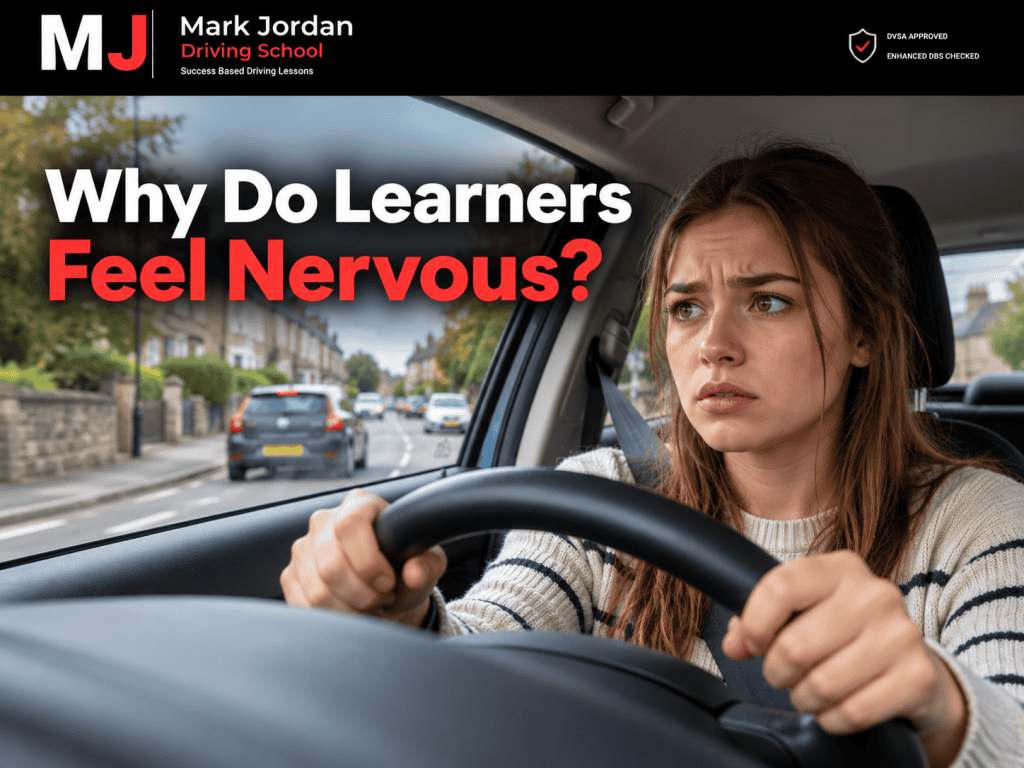
Finally, nerves can affect performance.
Even capable drivers can make errors when they allow anxiety to take over. This is why mock tests and realistic practice sessions are so valuable. The more familiar the experience feels, the more comfortable you will be on the day.
Driving Test Preparation in Burton upon Trent
Every test centre area has roads and junctions that learners should become familiar with.
Burton upon Trent offers a mixture of residential roads, busy roundabouts, traffic-light-controlled junctions, and higher-speed routes. As a result, learners gain experience in a variety of driving situations.
However, learners should avoid trying to memorise test routes.
The DVSA assesses driving ability, not route knowledge. A candidate who understands road signs, applies safe driving principles, and remains calm under pressure will usually perform well regardless of the route taken.
Instead, focus on building strong core skills that you can apply anywhere.
Practical Tips for the Week Before Your Test
The final week before your test is about refinement rather than learning everything from scratch.
Continue practising your manoeuvres and vehicle safety questions. Review any areas where you have previously made mistakes. Furthermore, ensure you understand road signs, speed limits, and lane discipline.
Get plenty of rest before the test and arrive with enough time to settle your nerves.
Most importantly, remember that the examiner wants to see a safe driver. They are not looking for reasons to fail you.
If you make a minor mistake, stay focused and continue driving safely. Many successful candidates believe they have failed during the test, only to discover they have passed.
Conclusion
Preparing for your theory test and practical driving test takes time, patience, and consistent effort.
Start by building a strong understanding of the Highway Code and hazard perception. Then develop the practical skills needed to drive safely and independently. Practise regularly, learn from your mistakes, and approach each lesson with a positive attitude.
Most importantly, remember that passing your test is not the final goal. The real objective is becoming a safe, confident driver for life. When you focus on developing those skills, success on both the theory and practical tests usually follows naturally.